



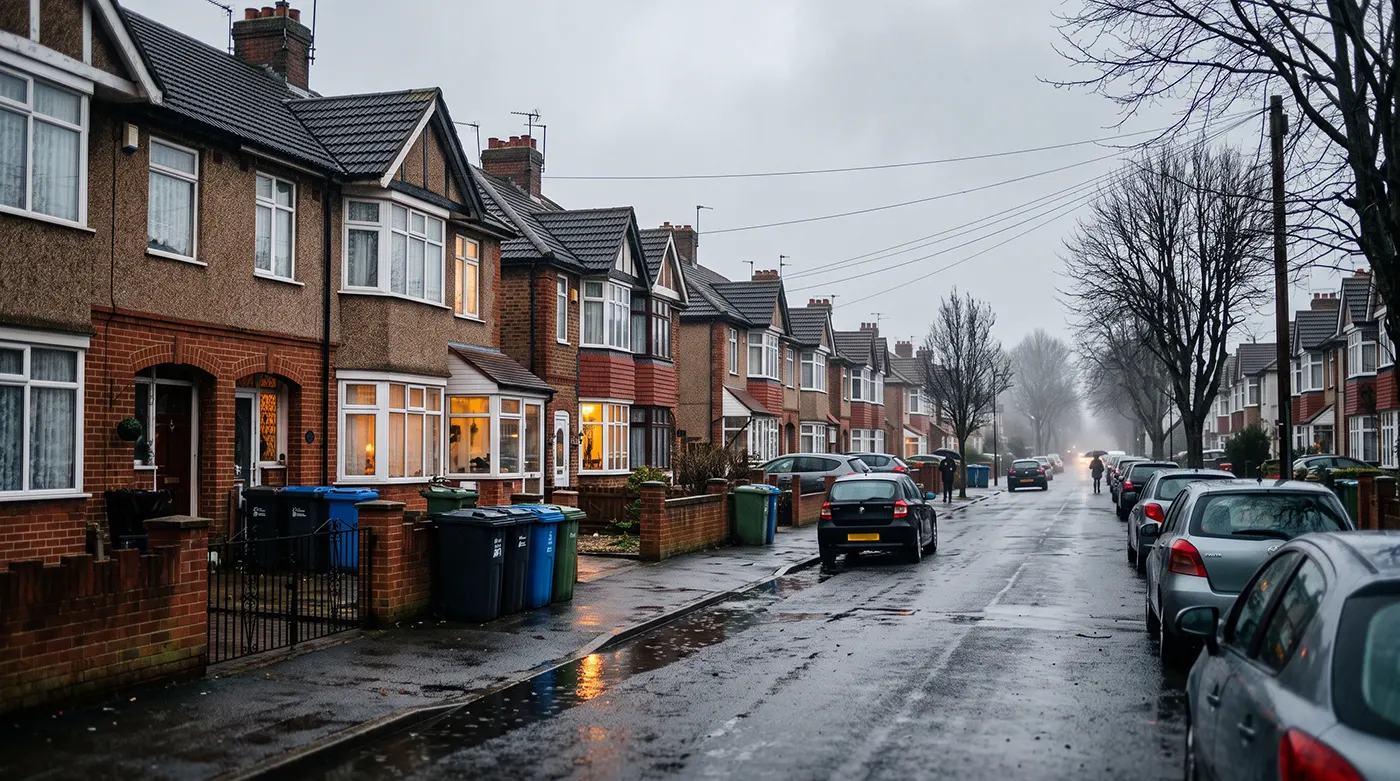
Moving House in Winter: A Practical Guide for Dorset Home Movers
Moving house in winter is very doable in Dorset, but it rewards a bit of planning that a summer move does not need.
The days are short, the weather can turn quickly, and the county’s hills, hedged lanes and low-lying river valleys all behave differently when it is wet or frosty.
This guide covers what to expect between now and the end of February, how to plan around Christmas and New Year, and the practical steps that keep moving day on track.
Table of Contents
Is moving house in winter a good idea?
For many people it is, and for a few it is the only option, because a sale or tenancy does not wait for spring.
The upsides are real.
Fewer people move in the colder months, so you often have more date options, and a quieter market can give you more room to negotiate.
The market does slow down in December.
According to Rightmove’s December 2025 housing market update, the average new asking price last December was £358,138, down £6,695 on November, and the report described December as a month that usually brings a seasonal slowdown in both activity and prices.
It also described the annual “Boxing Day bounce”, when people restart their moving plans after Christmas, and expected a bigger one than usual.
The trade-offs are practical rather than financial.
Daylight is limited, the weather is less predictable, and some of the people you rely on, from solicitors to utility companies, work to shorter hours over the festive period.
None of that is a reason to delay a move you want to make, but it is a good reason to plan for it.
What winter changes about a Dorset move
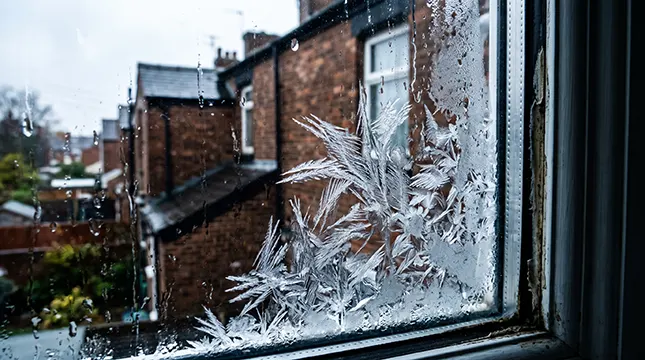
The table below sets out the main winter risks and what to do about each, and the sections after it go into the detail.
| Winter problem | What it means for a Dorset move | What helps |
| Short daylight | Around eight hours of daylight at the turn of the year, so a late start can leave you unloading in the dark. | Book an early start, pack a torch and keep the key items you need first in an accessible box. |
| Ice and frost | Only a part of the road network is gritted in advance, so side roads, lanes and driveways can stay icy. | Check the gritting routes, keep grit or salt for the drive and footpath, and tell us if access is steep. |
| Rain and standing water | Wet shoes and wet boxes mean slippery floors at both ends. | Floor protection, towels at the door and covered boxes. We protect floors, walls and doors as standard. |
| Wind and storms | Dorset’s coast and hills take the brunt of autumn and winter storms. | Check Met Office warnings the day before and agree a backup date in advance. |
| Flooding | Low-lying ground near rivers and the harbour can flood after heavy rain. | Check the gov.uk flood service for both addresses before moving day. |
| Cold, empty homes | A house left unheated for weeks can feel damp and take time to warm. | Switch the heating on ahead if you can, take meter readings and find the stopcock early. |
Short days and an early start
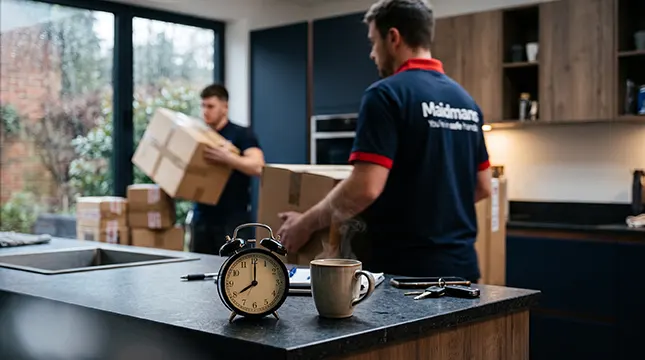
Daylight is the biggest practical change.
According to timeanddate’s sun times for Poole, the sun rises at about 8:09 am and sets at about 4:13 pm on 1 January, which leaves just over eight hours of daylight.
A move that starts at ten and runs into the afternoon can finish in the dark, which matters on unlit lanes and for carrying furniture over uneven drives.
Ask for the earliest start your crew can offer, and keep a torch to hand at both ends.
Check that outside lights work at the new property, and put a few bulbs in the box you open first.
Frost, ice and Dorset’s roads
Dorset Council grits a set of 22 precautionary routes, which its road salting page says cover around 28% of the council’s road network, including all A, B and well-used C roads.
The council does not routinely pre-treat roads outside that network, and it treats smaller community link routes to villages and hamlets only as resources allow during a long freeze.
In practice, that means the main roads will usually be clear while the lane to your front door might not be.
That matters most in the hillier parts of the county, so if you are moving to a rural or sloping address, tell us when you book.
Our guides to moving to Lyme Regis, moving to Bridport and moving to Beaminster cover access in those hillier towns in more detail.
Keep a bag of grit or salt for your own drive and footpath, and clear it before the crew arrives, as a clear path is safer for everyone carrying a load.
Rain, wind and flood warnings
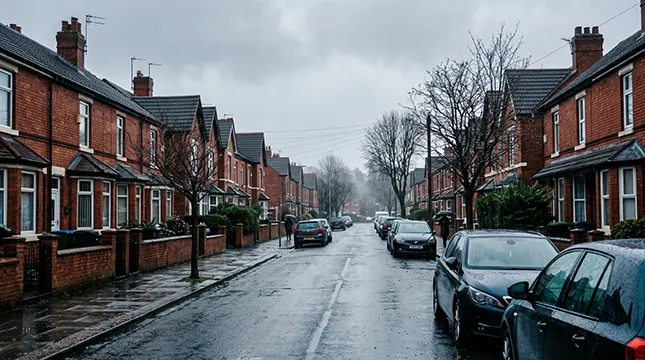
Check the Met Office weather warnings a few days ahead and again the evening before, as they cover rain, wind, snow, ice and fog, and use yellow, amber and red levels.
A yellow warning rarely cancels a move, but an amber or red one is a good time to discuss a revised plan.
For flooding, the government’s check for flooding service shows current flood alerts and warnings for any town or postcode in England, and the Floodline helpline, 0345 988 1188, runs around the clock.
Check both your old and new addresses, as flooding at either end can change the plan.
Low-lying places such as the area around Wareham are the ones to watch, and our guide to moving to Wareham explains how to check flood risk for a specific address.
Rain also means wet footprints and wet boxes.
We use protective material to prevent damage to flooring and carpets, and we protect walls and doors to prevent scuffing, so the floors at both properties are covered whatever the weather.
It helps if you leave clear space outside for a vehicle around five car lengths long, and tell us early if the road is narrow or parking is tight.
Looking after your belongings in the cold
Cold and damp can affect some belongings more than others.
- Cold items can build up condensation when they enter a warm room, so let televisions, computers, and speakers reach room temperature before you switch them on.
- Liquids and plants. Freezing can damage paint, cleaning products, and some food, and plants need protection, so carry the most delicate ones in your own car.
- Mattresses, rugs and soft furnishings. These soak up water quickly, so wrap them and keep them off wet ground.
- Cardboard weakens when damp, so keep packed boxes inside until the vehicle is ready to load.
If you would rather not pack, our packing service wraps your belongings in specialist packing materials, and it is worth asking about it if the forecast is poor.
It is also worth asking what MoveProtect cover applies to your move.
Our loss or damage cover applies up to £50,000 if you declare the value on your removal acceptance forms, so declare anything of high value in writing rather than assuming it is covered.
Getting the new home ready

An empty house in winter can be cold and damp, so a little preparation makes the first evening far more pleasant.
If you can get access beforehand, switch the heating on a day or two before you arrive, and find the stopcock and boiler so you know where they are.
Take meter readings when you leave your old home and again as soon as you arrive at the new one, and keep your own copy, as MoneySavingExpert’s moving home energy advice recommends.
Tell your supplier your moving date and new address before you go, as you will usually be put on a standard variable tariff when you move in, which is rarely the cheapest.
Pack a first-night box with a kettle, mugs, towels, bedding, chargers, a torch, and warm clothes you can reach without unpacking everything.
Moving around Christmas and New Year

The 2026 to 2027 bank holidays for England fall on Friday 25 December, Monday 28 December, which is the substitute for Boxing Day, and Friday 1 January.
Solicitors, banks, estate agents and utility companies slow down around those dates, so completion dates can slip and keys can be delayed.
If your move falls in that window, book as early as you can, confirm the completion date in writing, and agree a backup plan with your removals company.
Festive delays can leave a gap between your sale and your purchase, so it is worth knowing your options.
Our secure storage can hold your furniture until the keys are ready, so you are not forced to move into a home that is not ready.
If children are changing schools, our guide to moving house before the new school term covers timing around the school year.
A winter moving checklist
- Four weeks before: book your removals company, confirm your dates and start your packing.
- Two weeks before: tell your energy and water suppliers your moving date, and arrange access to the new home if you want to heat it early.
- The week before: check the forecast, agree a backup date and confirm parking at both addresses.
- The day before: check Met Office and flood warnings, charge your phone, and put the first-night box together.
- Moving day: clear and grit your path, take meter readings, and keep warm clothes, hot drinks and a torch to hand.
- Arrival: take meter readings, switch on the heating, and let electronics warm up before you plug them in.
Our full home moving checklist covers the rest of the list.
How Maidmans can help with a winter move
Maidmans is a Poole-based removals company and a member of the British Association of Removers, which means we follow an audited Code of Practice covering quotes, service and complaints.
We cover all of Dorset, as set out on our Dorset removals page, and we know which lanes and driveways require a smaller vehicle or an earlier start.
Our house removals survey is free and carries no obligation, either at your home or via video survey, and we’ll send a detailed quotation within 48 hours.
Planning a winter move? Request a free, no-obligation survey, and we will plan the day around your dates and the forecast.
Frequently asked questions about Moving House in Winter
Is it harder to move house in winter?
It needs more planning rather than being harder.
The main differences are shorter daylight, icy or wet conditions, and slower festive-period services, all of which you can manage with an early start, a backup date, and a check of the forecast.
Is it cheaper to move house in winter?
It can be, as demand is often lower outside the summer peak, but prices depend on the size of the move, access and your dates, so the only reliable answer is a quote after a survey.
What happens if the weather is bad on moving day?
Minor rain or a yellow warning usually does not stop a move.
If there is a severe warning, ice or flooding that makes access unsafe, talk to your removals company as early as you can, as it is better to agree a revised plan than to try to move in dangerous conditions.
Can you move house on Christmas Day?
In practice, no.
Christmas Day and Boxing Day fall on bank holidays when solicitors, banks and utility companies are closed, so completion is not usually possible.
The 2026 bank holidays are 25 and 28 December, and 1 January 2027.
How early should I book a winter removal in Dorset?
As early as you can, and ideally four weeks or more ahead, particularly if your move falls near Christmas or New Year.
Request a free survey, and we will confirm the earliest dates we can offer.
Does Maidmans protect floors and walls on moving day?
Yes.
We use protective material to prevent damage to flooring and carpets, and walls and doors are protected to prevent scuffing.
Planning a move this winter? Get in touch with Maidmans for a free, no-obligation survey, or ask a question using the chat assistant on this page.